

I often hear the question, “What Is Carry On Luggage?” I understand that navigating the rules and regulations of what you can and cannot bring on a flight is confusing.
As a travel lover and a packing enthusiast, I’ve spent countless hours researching and understanding airline regulations. I’ve compiled all this knowledge into a handy guide for those who find it challenging to decide which bag is the perfect carry on.
Let’s join forces and demystify “What is carry-on luggage” with the information you need to choose the right size bag for your travels.
Defining What Is Carry On Luggage
Before we discuss the benefits and how to select the perfect carry on luggage, it’s essential to understand what it is and why it’s important.
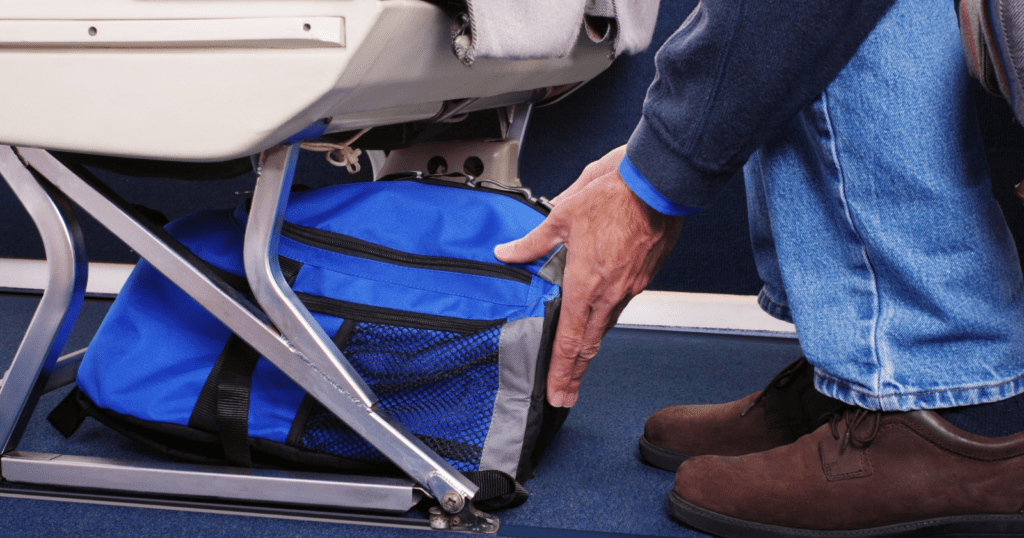
Carry on luggage refers to the smaller piece of luggage that you can bring on board the airplane with you. It’s designed to fit in the overhead compartment or under the seat in front of you, ensuring easy access to your belongings during the flight. Knowing what is carry on luggage is crucial for a seamless travel experience.
Advantages of Using Carry On Luggage
There are several advantages to using carry on luggage while traveling. We’ll outline the top benefits here.
Convenience and Accessibility
- Keep essentials within reach: With carry on luggage, your essential items are always nearby, making it easier to grab anything you need during the flight.
- Avoid the hassle of checked baggage: By using carry on luggage, you can bypass the time-consuming process of checking in and collecting your luggage after landing.
- Save time at the airport: When you know what carry on luggage is and use it correctly, you can save valuable time by skipping baggage check-in and claim areas.
Carrying your luggage onboard offers a level of convenience that checked baggage simply can’t match.
Cost Savings
- Avoid baggage fees: Airlines often charge fees for checked luggage. Using carry on luggage helps you avoid these extra costs.
- Eliminate potential lost luggage expenses: By keeping your luggage with you, there’s no risk of it getting lost, saving you from the hassle and cost of replacing lost items.
Traveling with carry on luggage can help you save money by avoiding extra fees and lost luggage costs.
Flexibility
- Perfect for short trips: When you’re only going away for a weekend or a short business trip, carry on luggage is an ideal choice, providing just enough space for your essentials.
- Easier to navigate through airports: Carry on luggage is smaller and more manageable, making it easier to maneuver through crowded airports and transportation hubs.
Carry on luggage is particularly useful for those quick trips or when you need to move swiftly through busy airports.
Choosing the Right Carry On Luggage
When answering the question “What is carry on luggage?” there are a few factors to consider to ensure you make the best choice.
Size and Weight Restrictions
- Check airline guidelines: Airlines have specific size and weight restrictions for carry on luggage. Make sure your luggage meets these requirements to avoid any issues during your travels.
- Ensure easy storage in overhead compartments or under seats: Select yours that easily fits in the designated storage areas on the plane. Knowing details about your luggage like its dimensions, will make your travel experience smoother.
- Lightweight options for easier handling: Opt for lightweight luggage that is easy to lift and maneuver, ensuring a hassle-free experience.
It’s crucial to adhere to airline size and weight restrictions to avoid any issues during your travels.
Durability and Material
- Quality materials for long-lasting use: Choose carry on luggage made from high-quality materials that can withstand the wear and tear of frequent travel.
- Weather-resistant options : Look for options with weather-resistant features to protect your belongings from the elements during your journey.
- Hardshell vs. softshell choices: Hardshell luggage provides better protection for fragile items, while softshell options offer more flexibility in terms of fitting into tight spaces. Understanding luggage materials can help you make the best choice for your needs.
Investing in durable carry on luggage will save you money and headaches in the long run.
Organization and Features
- Multiple compartments for organization: Opt for carry on luggage with various compartments to keep your belongings organized and easily accessible.
- Additional pockets for smaller items: Choose luggage with smaller pockets for items like passports, tickets, or toiletries to keep them secure and easy to find.
- Specialized features, such as laptop compartments or built-in USB chargers: Some options come with extra features tailored to your needs, like a designated laptop compartment or a USB charger to keep your devices powered during your trip.
Once you have a clear understanding of what is carry on luggage, you can choose yours with features that cater to your specific needs and preferences.
Are There Weight Restrictions For Carry On Luggage?
In my search for the answer, I found that carry-on weight limits vary widely by airline, with some enforcing lower limits and others relying on whether passengers can lift and stow the bag themselves. The conclusion I came to is each airline sets the weight limit, and it is according to the size of the plane you will fly. Some airlines say if you can lift a carry on above your head to place it in the overhead compartment, it is not too heavy.
But what happens if your carry on is too big? Not to worry, because if this happens you can gate check it. If it doesn’t fit, it is often gate checked and placed into the cargo hold. You can do this as you step onto the plane and it will be waiting for you when you exit the plane.
If you are flying economy, the weight limit will be lower than a large international flight. To ensure you do not exceed the weight limit, check the airline you will fly for their individual recommendations.
Most of the time, I fly Southwest Airlines, which does not publish a specific carry-on weight limit but requires passengers to stow their bags unassisted. I have never exceeded or even come close to going over that limit. However, if you are packing heavy items like large books, please check the recommendations and weigh your bags in advance.

Frequently Asked Questions About Carry On Luggage
We know that travelers often have questions about carry on luggage, so we’ve compiled a list of the most frequently asked questions to help you make informed decisions. Check out these quick answers to some common questions regarding carry on luggage.
Can I bring a personal item in addition to my carry on luggage?
Yes, most airlines allow passengers to bring a personal item in addition to their carry on luggage. Personal items typically include a purse, laptop bag, or small backpack. It’s essential to check your airline’s specific guidelines to ensure your personal item meets their size requirements.
Are there restrictions on what I can pack in my carry on luggage?
There are certain restrictions on what you can pack in your carry on luggage. Items such as liquids, aerosols, and gels must be in containers no larger than 3.4 ounces (100 milliliters) and placed in a single, quart-sized, clear, plastic zip-top bag. Sharp objects, weapons, and other hazardous items are also prohibited. Be sure to check the TSA website for a complete list of prohibited items.
How can I make sure my carry on luggage fits the overhead compartment?
To ensure yours fits the overhead compartment, check your airline’s specific size restrictions before your trip. Most airlines provide measurements for the maximum allowable dimensions for carry on luggage. It’s essential to select a carry on bag that meets these requirements so you don’t encounter any issues during boarding. Remember that size may differ between airlines, so always double-check before flying.
Additional Resources
If you are looking for more tutorials, walkthroughs, and troubleshooting on Luggage, here are some additional posts about Luggage:
Conclusion
Understanding what carry on luggage is can be essential for stress-free and enjoyable travels. Carry on luggage offers numerous benefits, including convenience, cost savings, and flexibility. When selecting yours, consider factors such as size and weight restrictions, durability, and organization features.
Thanks for reading our article on what is carry on luggage. We hope this helped, and have a great journey!